
CRPS Treatment in Fort Worth, TX | Complex Regional Pain Syndrome | WOW Spine

CRPS Treatment in Fort Worth, TX
Complex Regional Pain Syndrome

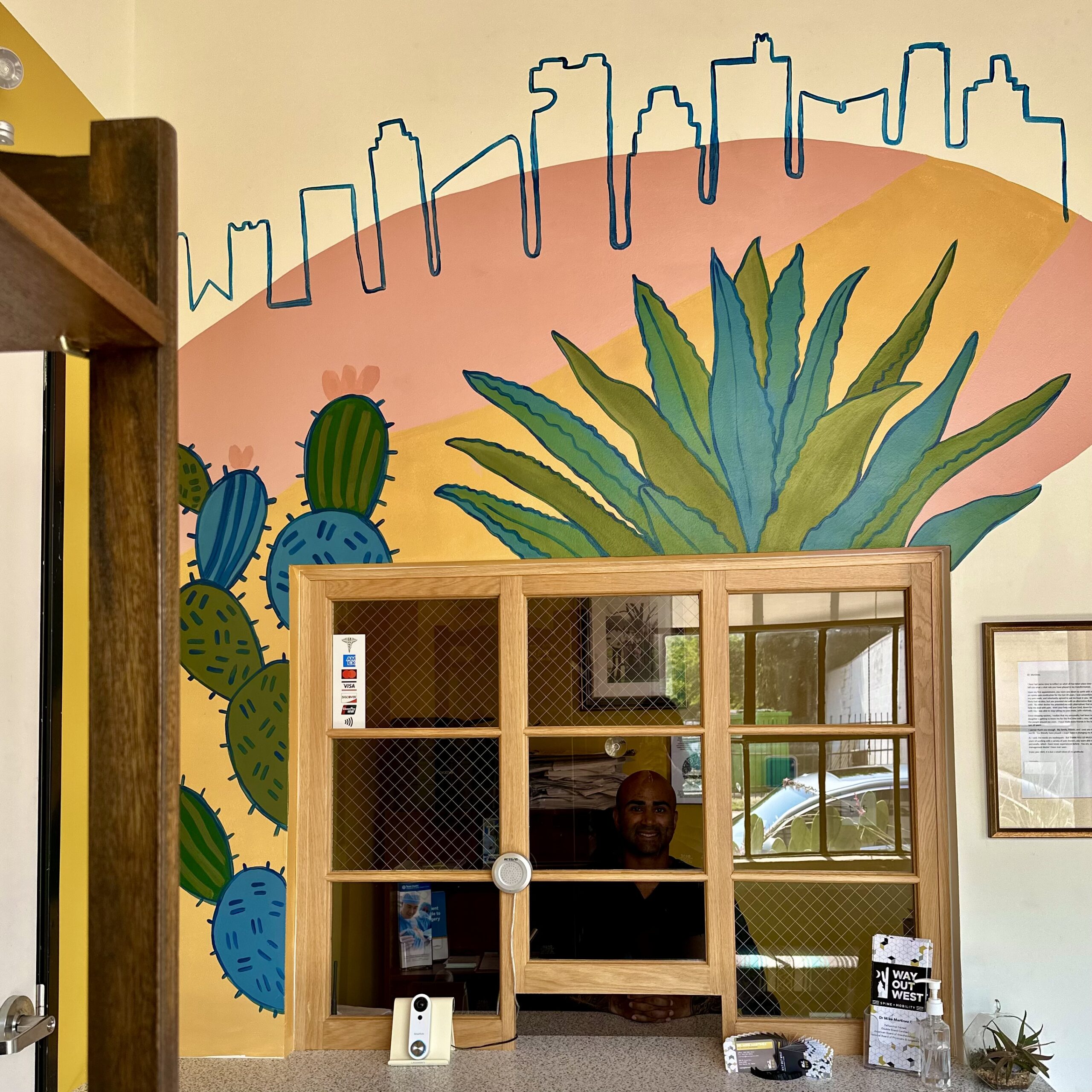
Dr. Mike Martinez providing CRPS complex regional pain syndrome treatment consultation at WOW Spine in Fort Worth, Texas

Complex Regional Pain Syndrome (CRPS) is one of the most challenging chronic pain conditions—but you don’t have to face it alone. At WOW Spine in Fort Worth, Dr. Mike Martinez—a double board-certified Pain Management Specialist and Anesthesiologist—provides advanced, multi-modal treatments to help manage CRPS and improve your quality of life.

CRPS causes severe, burning pain that’s often out of proportion to the original injury, along with swelling, skin changes, and temperature sensitivity. Early, aggressive treatment is critical. We offer cutting-edge solutions including sympathetic nerve blocks, spinal cord stimulation, ketamine infusions, and comprehensive pain management programs. Our patient-centered approach focuses on reducing your pain and restoring function.

Don’t let CRPS control your life. Schedule a consultation to discover which treatment option is right for you.

Call 682-285-1044

Serving Fort Worth, Weatherford, Benbrook & surrounding DFW areas

How We Treat CRPS at WOW Spine in Fort Worth

At WOW Spine, Dr. Martinez develops an aggressive, multi-modal treatment plan for CRPS. Early intervention is key—the sooner treatment begins, the better the outcomes. We combine multiple therapies to address CRPS from every angle.

1 Comprehensive Diagnostics

  • Detailed history of injury and symptom progression
  • Physical exam for CRPS diagnostic criteria
  • Assess skin changes, temperature, swelling
  • Rule out other conditions mimicking CRPS

2 Sympathetic Nerve Blocks

  • Stellate ganglion block for upper extremity CRPS
  • Lumbar sympathetic block for lower extremity CRPS
  • Can provide significant pain relief
  • Often performed in a series for best results

3 Spinal Cord Stimulation

  • Highly effective for CRPS pain
  • Interrupts pain signals to the brain
  • Trial period before permanent implant
  • Can dramatically improve function and quality of life

4 Ketamine Infusion Therapy

  • Targets NMDA receptors involved in CRPS
  • Can “reset” sensitized pain pathways
  • Monitored IV infusions in controlled setting
  • Often provides relief when other treatments fail

5 Medication Management

  • Neuropathic pain medications
  • Anti-inflammatory agents
  • Bisphosphonates when appropriate
  • Carefully coordinated multi-drug approach

6 Physical Therapy & Rehabilitation

  • Desensitization techniques
  • Mirror therapy and graded motor imagery
  • Gentle range of motion exercises
  • Critical for functional restoration

Ready to find relief from CRPS pain?

Call 682-285-1044

Serving Fort Worth, Weatherford, Benbrook & surrounding DFW areas

Frequently Asked Questions About CRPS Treatment in Fort Worth

What is CRPS (Complex Regional Pain Syndrome)?

CRPS is a chronic pain condition that usually affects an arm or leg, often after an injury, surgery, stroke, or heart attack. The pain is typically out of proportion to the severity of the initial injury and may include burning or throbbing pain, sensitivity to touch or cold, swelling, skin color and temperature changes, and changes in skin texture, hair, and nail growth. CRPS is believed to involve abnormal responses in the nervous and immune systems. Dr. Martinez has experience treating this challenging condition.

What’s the difference between CRPS Type 1 and Type 2?

CRPS Type 1 (formerly called Reflex Sympathetic Dystrophy or RSD) occurs without a confirmed nerve injury—it often follows an injury like a fracture, sprain, or surgery. CRPS Type 2 (formerly called causalgia) follows a documented nerve injury. Both types share similar symptoms and are treated with the same approaches. The distinction is primarily diagnostic.

How do sympathetic nerve blocks help CRPS?

Sympathetic nerve blocks interrupt the overactive sympathetic nervous system response that contributes to CRPS pain. For upper extremity CRPS, a stellate ganglion block targets nerves in the neck. For lower extremity CRPS, a lumbar sympathetic block targets nerves in the lower back. These blocks can provide significant pain relief, reduce swelling, and improve function. A series of blocks is often more effective than a single injection.

Can CRPS be cured?

While there is no guaranteed cure for CRPS, early and aggressive treatment significantly improves outcomes. Some patients achieve complete remission, especially when treatment begins early. Others experience significant improvement in pain and function with ongoing management. The goal is to reduce pain, restore function, and improve quality of life through a comprehensive, multi-modal treatment approach.

Why is early treatment so important for CRPS?

CRPS can progress and spread if left untreated. Early intervention—ideally within the first few months of symptom onset—offers the best chance for significant improvement or remission. As CRPS becomes more established, it becomes harder to treat. If you suspect you have CRPS, don’t wait—seek evaluation from a pain specialist experienced in treating this condition.

Does WOW Spine accept my insurance for CRPS treatment?

We accept most major insurance plans including Aetna, Blue Cross Blue Shield Texas, Cigna, Humana, United Healthcare, and Medicare. Many CRPS treatments, including sympathetic nerve blocks and spinal cord stimulation, are covered by insurance when medically necessary. Call 682-285-1044 and our staff will verify your coverage before your appointment.

Have more questions about CRPS treatment? Call 682-285-1044 or contact us online to schedule a consultation.